Email :[email protected]
Telephone :+86-181-3361-0489
Why “More Workers” Never Scales a Pump Factory
Most small and mid-sized water pump manufacturers hit the same wall. Orders increase, so you add headcount and overtime. Then, rework, leak complaints, and inconsistent performance start eating the margin you just gained.
The root cause is usually not carelessness. It is that the process is not instrumented. Assembly torque is manual. Casting debris is not cleaned before sealing. Testing is often just a quick spin instead of a loaded performance check. Once pumps ship to export markets with EPA or CE expectations, these gaps turn into warranty costs and lost reorders.
If your goal is to grow from 300 units per day to 1,000 or 2,000, you do not fix this by pushing harder. You fix it by turning assembly and test into a repeatable system.
The Three Production Zones That Decide Your Throughput
A pump line that scales splits into three zones. Everything expensive lives inside them.
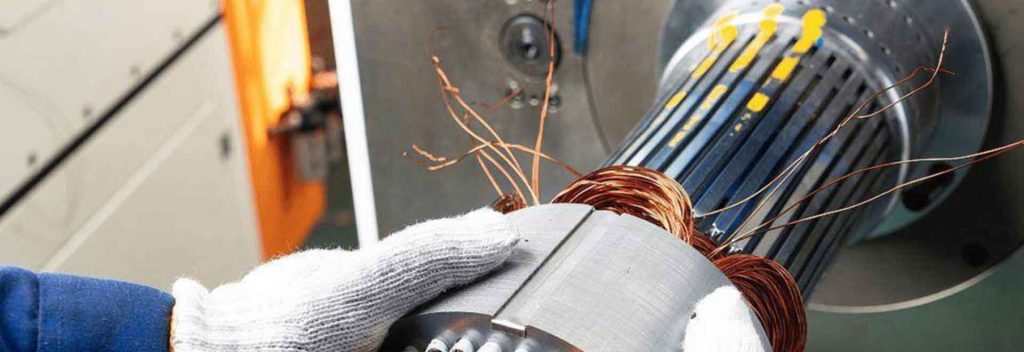
Zone A is sub-assembly and prep. This is where hidden defects are born. Common issues include wrong press-fit force on impellers, inconsistent fastener torque, and contamination left in the volute. A scalable line uses torque-controlled drivers and mistake-proofing fixtures.
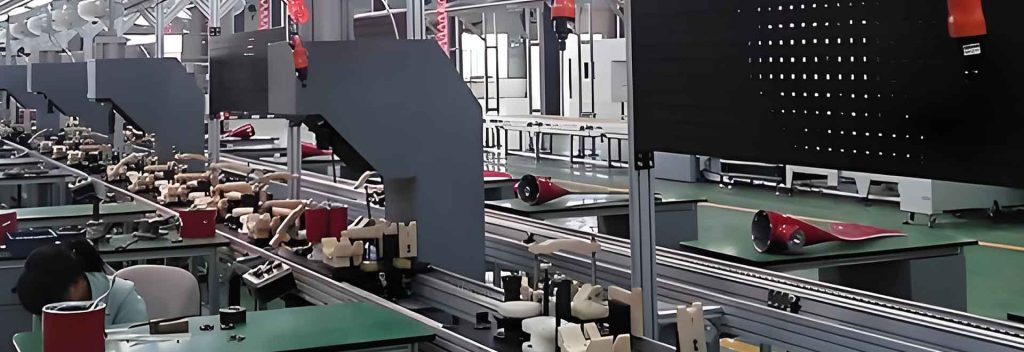
Zone B is final assembly and filling. This is where most lines bottleneck. Ad-hoc oil filling and messy gasket seating slow everything down. The solution is dedicated fill stations with level control and inline serialization using barcodes or QR codes.
Zone C is test and release. This is the most misunderstood area. Many factories only check if a pump spins. But real failures happen under pressure, heat, or load. A proper line needs a 100 percent End-of-Line screen for leaks and electrical safety, plus sample performance verification to generate accurate Q-H curves.
What a Real Pump Test Rig Must Do
If you are upgrading a test bench, do not overbuy on max pressure. Focus on repeatability and data.
For a manufacturer, a proper pump performance test system must provide closed or open-loop water circulation, accurate flow measurement via magnetic meters or weigh tanks, and precise pressure sensors. It must measure power input to calculate efficiency honestly. Most importantly, it needs a PLC and DAQ system to auto-generate H-Q curves tied to the pump serial number. This data is what your European or North American buyers want to see during audits.
Manual Line vs Semi-Auto: Where to Invest
There is no shame in a manual bench. But the ROI inflection point usually appears around 800 to 1,200 units per day. At this stage, investing in semi-automation pays back fast.
Focus on torque-controlled stations with count verification. Add an air decay leak test station before packing. Improve material flow with roller conveyors to reduce double handling. You do not need a fully automated smart factory. You just need to make the process measurable.
A Realistic Upgrade Path for Growing OEMs
If you are planning expansion, follow this sequence to avoid wasted capital.
First, stabilize quality. Standardize torque specs and add one leak test station before packing. Introduce basic serial or batch records.
Second, de-bottleneck flow. Straighten the physical layout. Separate the test area from the assembly area so testing does not stall production.
Third, add instrumented test. Deploy a pump performance test rig sized to your dominant models. Use it for daily audits, then expand to 100 percent EOL testing once proven.
Fourth, scale with semi-auto where human error hurts most. Use automatic screwdrivers at critical joints and lift assists for heavy castings.
Conclusion and Next Steps
Your pumps compete on price, delivery, and trust. Trust is built at the test gate. If you are setting up a new pump line or upgrading an existing one, we can help you design the right system.
We build assembly line systems, EOL test rigs, and leak test stations specifically for pump and small engine manufacturers. We spec them around your actual SKUs, not a generic catalog.
Contact us today for a free line specification review. Tell us your pump type, daily volume, and required head and flow range. We will outline a practical station list and test scope you can use to compare suppliers and make the right investment.
Next: